Custom Phone Case Manufacturer: 12 Oem/odm Quality Checks
How to Choose a Reliable Custom Phone Case Manufacturer: 12 Essential Quality and Order Approval Checks
By RUITETEC | OEM/ODM & Private Label Mobile Accessories
For mobile accessory brands, retailers, distributors, and e-commerce businesses, choosing the right custom phone case manufacturer is about much more than finding a competitive price.
A reliable manufacturing partner should help your brand manage product compatibility, material selection, functional performance, custom packaging, quality control, and delivery requirements.
Without a clear order approval process, even a small misunderstanding about camera cutouts, magnetic performance, packaging artwork, or product labels can result in customer complaints, inventory losses, and damage to your brand reputation.
At RUITETEC, our approach to OEM and ODM projects focuses on aligning product requirements and quality expectations before mass production.
This guide introduces 12 essential approval checks that brand owners and professional buyers should consider when sourcing custom phone cases, screen protectors, and mobile accessories from China.
1. Product Compatibility: Ensure a Precise Fit for Every Phone Model
Product compatibility is one of the most important factors when sourcing custom phone cases in bulk.
Even small differences between smartphone models can affect product installation, button responsiveness, camera protection, and overall user experience.
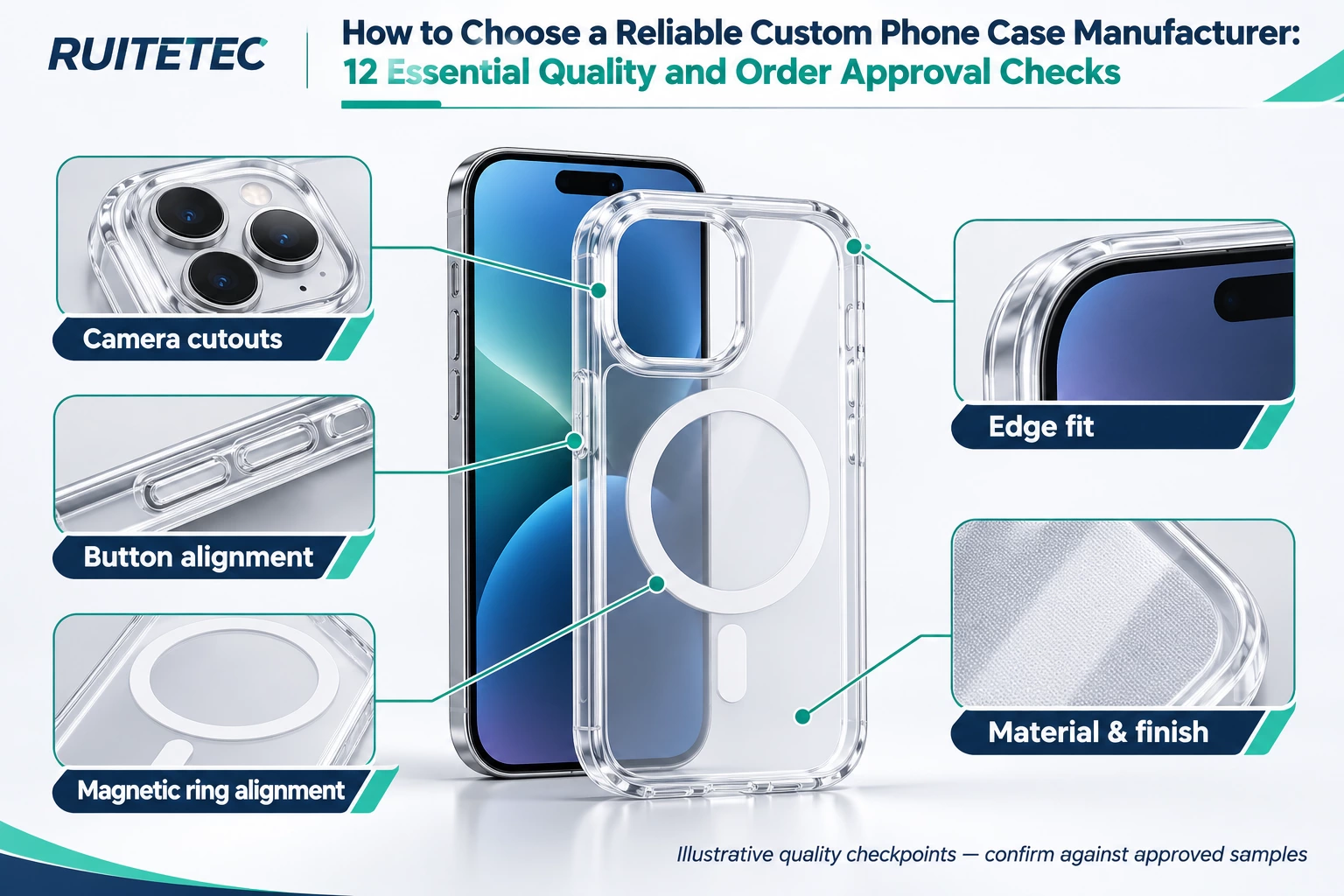
Before production, buyers and suppliers should confirm:
-
Exact smartphone models
-
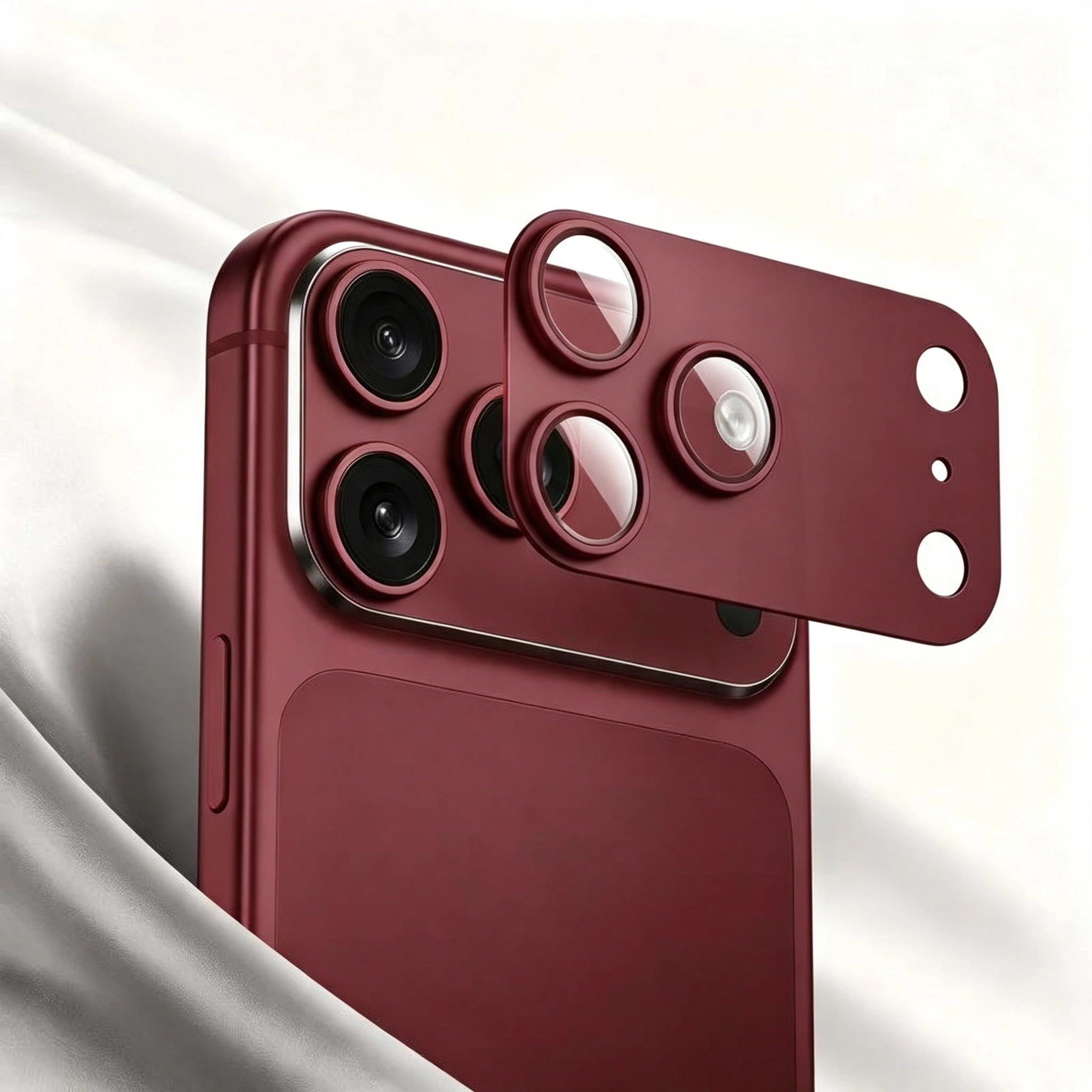
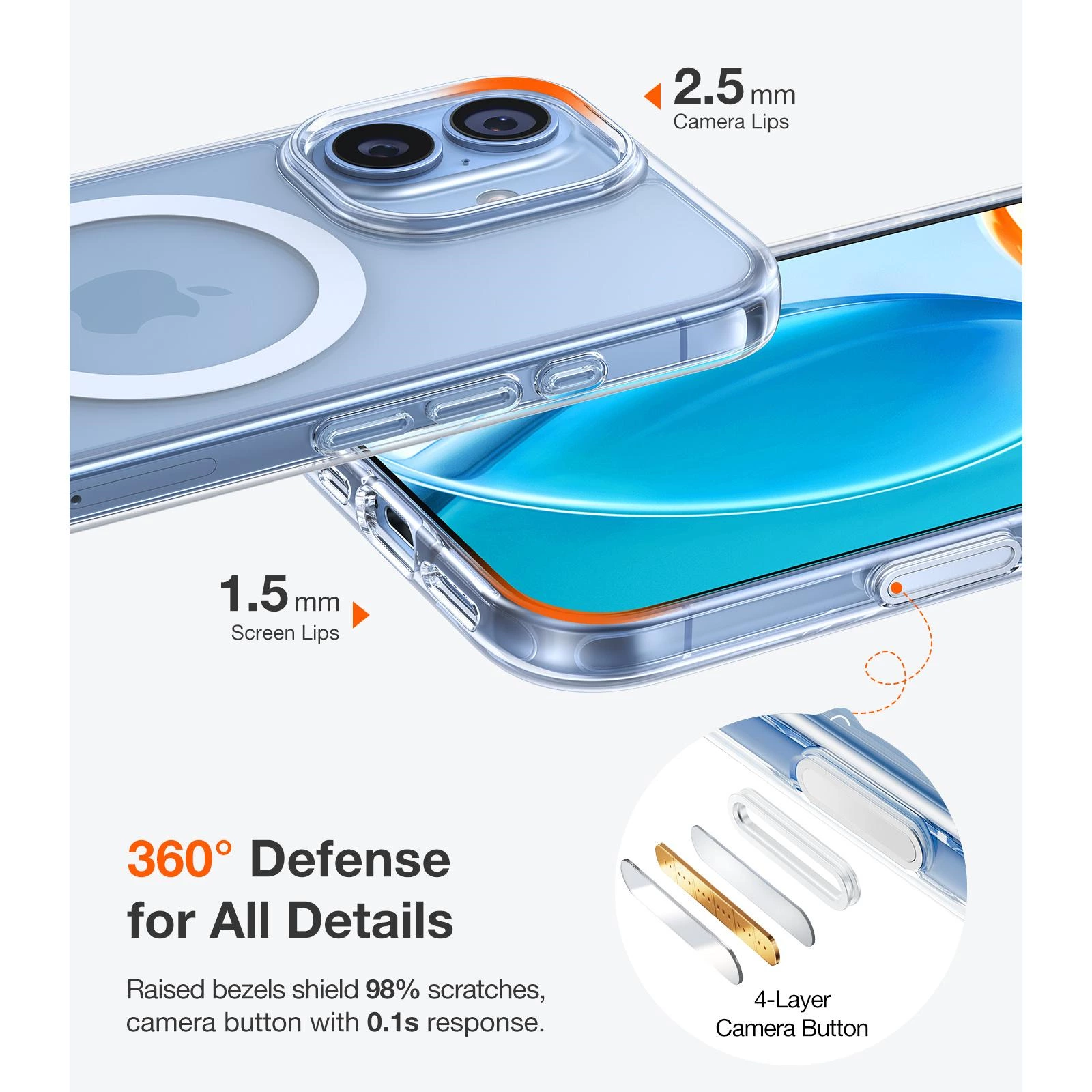
Camera and flash cutouts
-
Button positions and responsiveness
-
Charging port and speaker openings
-
Raised camera and screen protection
-
Product dimensions and thickness tolerances
-
Compatibility between different smartphone models
Cases advertised as compatible with multiple phone models should be verified against the relevant devices or agreed reference fixtures.
Why it matters to your brand:
Accurate product compatibility helps reduce customer returns, negative reviews, incorrect SKU labeling, and unnecessary inventory losses.
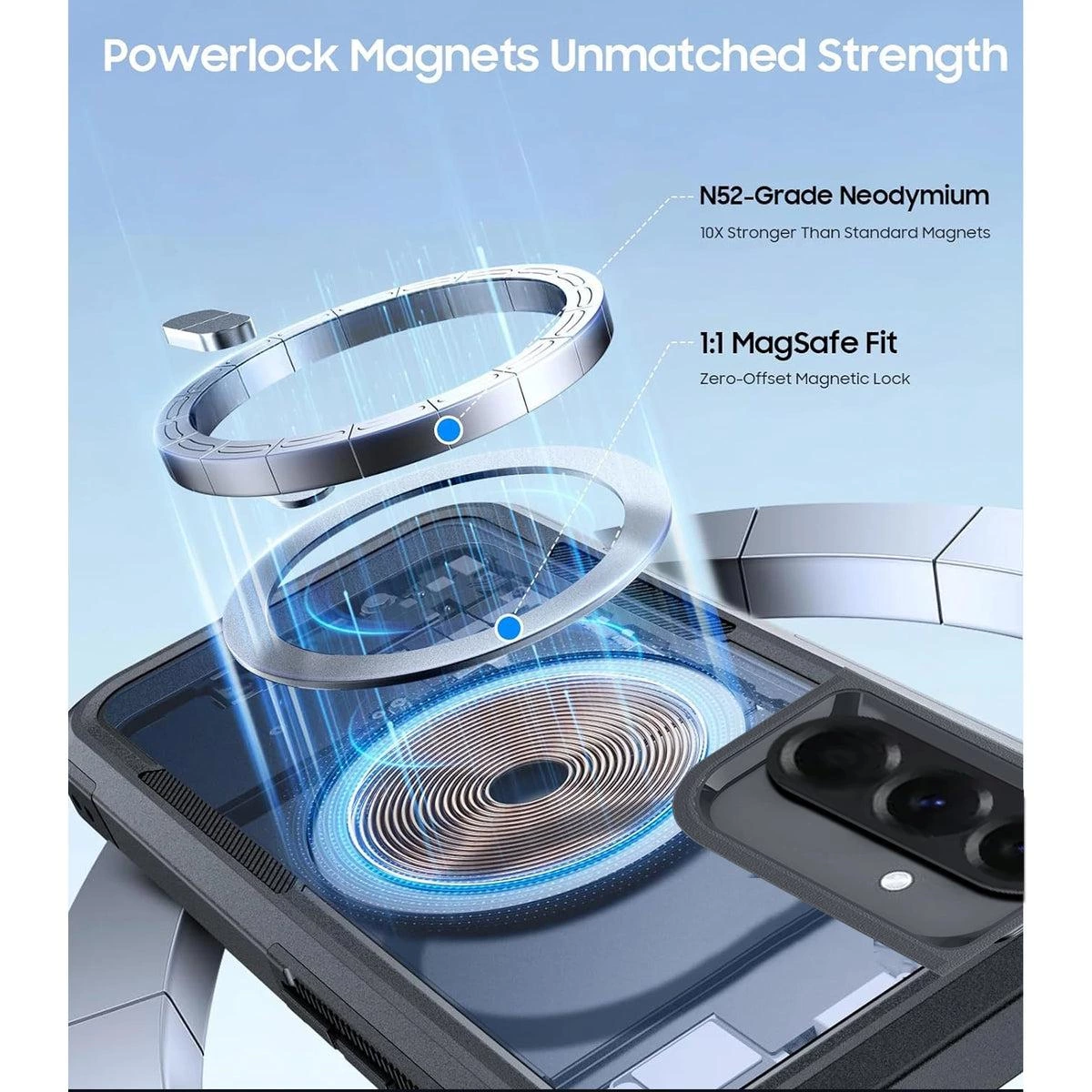
2. Magnetic Phone Cases: Confirm Magnetic Performance
Magnetic phone cases are an important product category for mobile accessory brands looking to offer functional and premium products.
However, a magnetic ring alone does not guarantee reliable magnetic performance or wireless charging compatibility.
For custom magnetic phone case projects, the following specifications should be reviewed:
-
Magnetic ring position and alignment
-
Magnet material and configuration
-
Magnetic holding force
-
Compatibility with magnetic chargers and accessories
-
Wireless charging performance
-
Magnet assembly stability
-
Agreed testing methods and acceptance criteria
The required magnetic strength should be defined according to the intended application and verified using an agreed testing method.
Brand benefit: Developing a magnetic phone case with clearly defined performance requirements helps deliver a more consistent consumer experience.
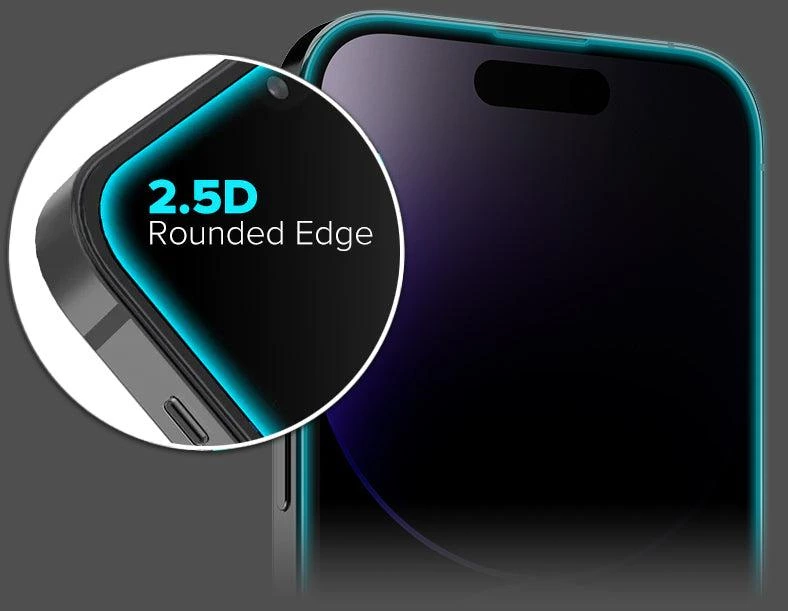
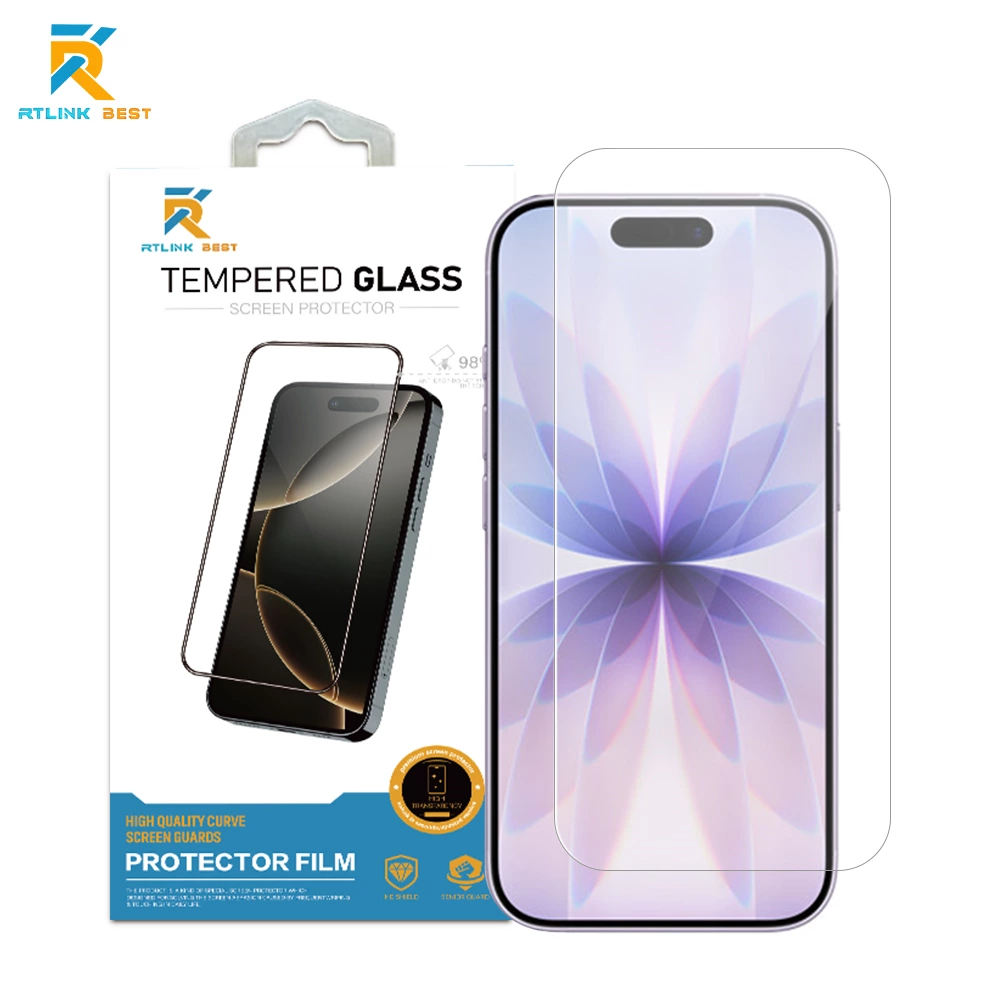
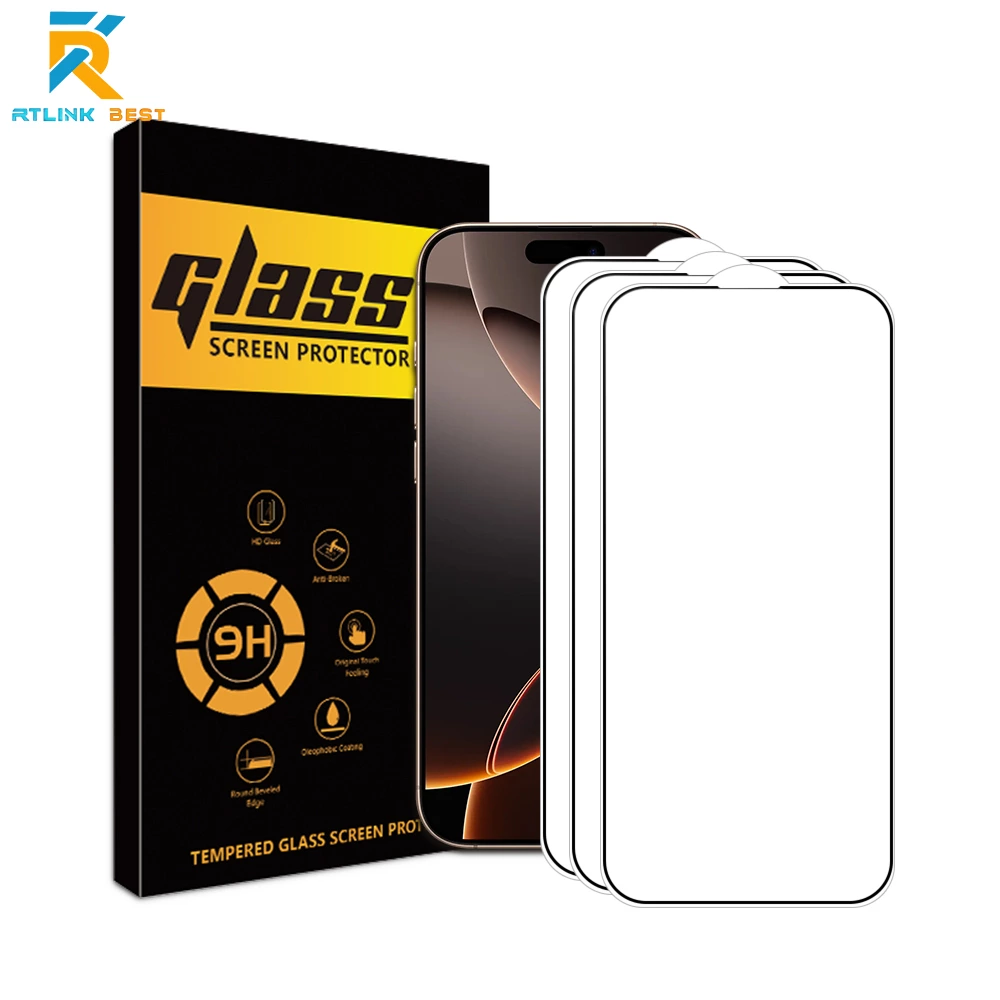
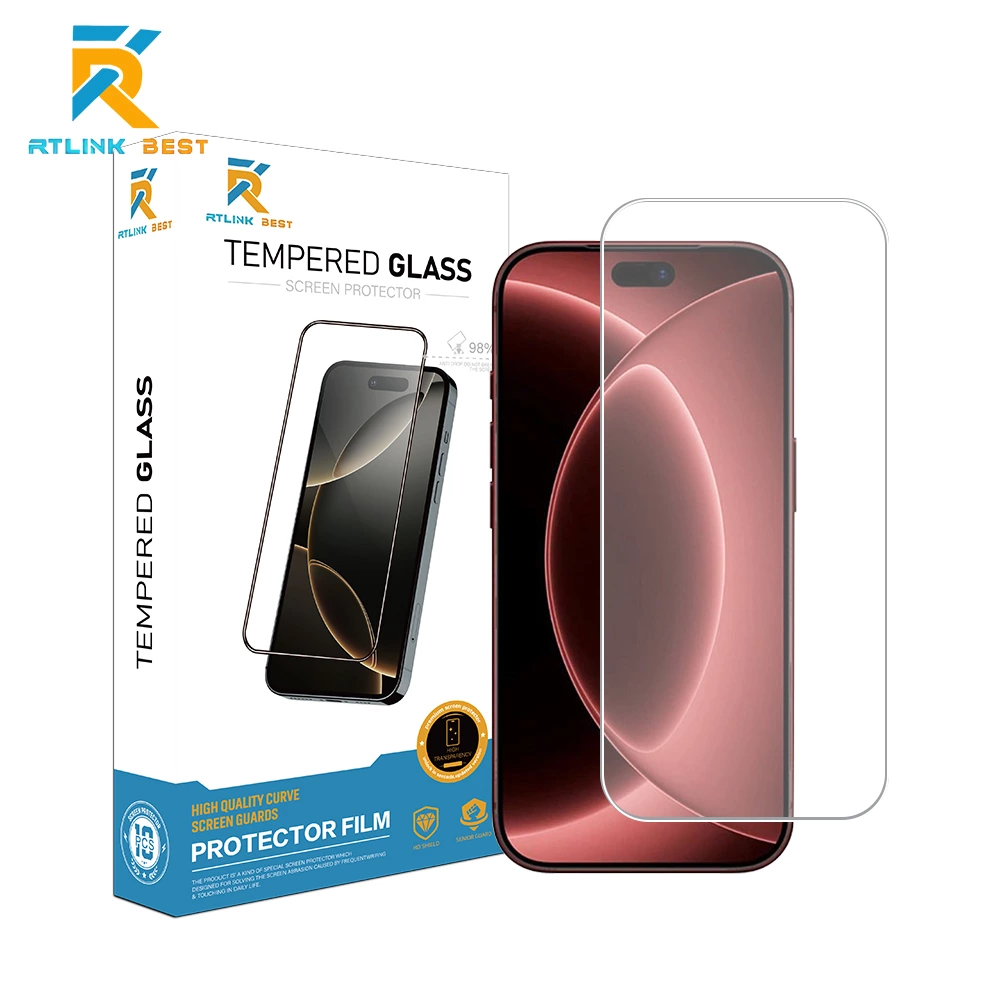
3. Screen Protectors: Define Product Specifications
Many mobile accessory brands purchase phone cases and screen protectors together to build a complete product portfolio.
Screen protector quality should be evaluated according to agreed product specifications rather than appearance alone.
Important specifications include:
-
Glass thickness and tolerance
-
2.5D or other edge profiles
-
Screen coverage
-
Adhesive performance
-
Optical clarity
-
Touch sensitivity
-
Surface finish
-
Compatibility with protective phone cases
Claims regarding hardness, impact resistance, and scratch resistance should be supported by appropriate testing.
A professional mobile accessory supplier should help buyers clarify these specifications before confirming mass production.
4. Privacy Glass: Agree on Privacy Performance
Privacy screen protectors require additional functional evaluation.
Before placing a bulk order, buyers should confirm:
-
Required privacy viewing angle
-
Direction of privacy protection
-
Screen brightness and clarity
-
Touch responsiveness
-
Compatibility with the intended smartphone model
-
Testing conditions and acceptance standards
Different privacy glass structures may offer different balances between privacy protection and screen visibility.
For private label brands, these differences should be clearly communicated and reflected in product descriptions and retail packaging.
5. Custom Packaging Artwork: Protect Your Brand Identity
Custom packaging is more than a protective container. It is an important part of the consumer's first experience with your brand.
When developing private label phone cases, buyers should approve the final packaging artwork before printing.
Key approval points include:
-
Brand logo and positioning
-
Product name and description
-
Artwork dimensions
-
Printing colors
-
Barcode and SKU information
-
Product compatibility information
-
Market-specific labeling requirements
-
Final artwork version
The approved artwork should be recorded and used as the reference for production.
This helps prevent incorrect logos, color differences, printing errors, and outdated packaging designs.
6. Gold Stamping and Premium Finishing
Premium phone case brands often use decorative finishing techniques to improve packaging presentation and perceived product value.
These may include hot foil stamping, embossing, matte finishing, and other decorative processes.
For gold stamping projects, buyers should confirm:
-
Foil color and appearance
-
Logo size and placement
-
Stamping position
-
Surface material
-
Finishing quality
-
Approved physical packaging sample
Digital artwork alone may not accurately represent the final color, texture, or reflective effect.
Physical sample approval is therefore particularly important for premium branded packaging.
7. Packaging Structure: Balance Protection and Retail Presentation
A well-designed retail package should protect the product while supporting efficient transportation, storage, and retail display.
For custom phone case packaging, the structural design should consider:
-
Outer box material and dimensions
-
Paper tray or inner tray
-
Product positioning
-
Packaging closure
-
Retail display requirements
-
Protective materials
-
Packaging assembly method
-
Transportation protection
Brands should also distinguish between standard supplier packaging and custom retail packaging when confirming orders.
For repeat orders, separately produced branded packaging may be managed through a dedicated inventory record, subject to an agreed storage and replenishment arrangement.
8. Golden Sample Approval: Establish the Production Standard
What is a golden sample in phone case manufacturing?
A golden sample is an approved physical reference sample used to establish the agreed appearance, dimensions, materials, workmanship, and other relevant product characteristics for mass production.
Before production, buyers and suppliers should confirm:
-
Material and color
-
Product structure
-
Dimensions and fit
-
Surface texture
-
Logo appearance
-
Functional requirements
-
Packaging and labeling
-
Sample version and approval date
Approved pre-production samples and representative mass-production samples should be retained where agreed.
If a material, design, or production process needs to change, the change should be reviewed before implementation.
Why golden samples matter: They provide a common reference for buyers, suppliers, production teams, and quality inspectors.
9. Quality Inspection: Establish Clear Acceptance Criteria
Quality control should begin with an agreed definition of acceptable quality.
For custom phone case orders, inspection requirements may include:
-
Visual appearance
-
Dimensions and thickness
-
Product installation and fit
-
Button functionality
-
Camera opening accuracy
-
Magnetic performance, where applicable
-
Logo and printing quality
-
Packaging condition
-
SKU and barcode accuracy
Buyers and suppliers may also agree on an Acceptance Quality Limit (AQL) sampling inspection plan.
The appropriate inspection level, defect classifications, acceptance limits, testing methods, and inspection scope should be established according to the product and project requirements.
No specific AQL level or performance standard should be assumed without confirmation.
Example: Transparent TPU Phone Cases
Standard transparent TPU may gradually yellow due to material aging, heat, UV exposure, and environmental conditions.
If a brand requires enhanced yellowing resistance, the required material and testing criteria should be discussed before ordering.
Natural material characteristics and actual manufacturing defects should be clearly distinguished.
Transparent TPU cases may also feature an inner micro-dot texture. This structural feature should be included in the product specifications and confirmed against the approved sample.
Clear communication about material properties helps brands establish realistic expectations and reduce avoidable quality disputes.
10. EU Compliance and Market-Specific Requirements
For brands selling mobile accessories in Europe and other international markets, applicable product compliance requirements should be reviewed during the sourcing process.
Depending on the product category and destination market, buyers and suppliers may need to confirm:
-
Material safety documentation
-
Applicable product safety requirements
-
Chemical substance restrictions
-
Product traceability information
-
Retail packaging and labeling
-
Environmental and packaging requirements
-
Supporting test reports or technical documents
Different products may be subject to different regulatory requirements.
The relevant documentation and responsibilities should be identified for each project. Certifications and compliance claims should only be made when supported by appropriate evidence.
11. Packing List: Improve Logistics Planning
A professional bulk phone case supplier should provide clear packing information to support freight planning and warehouse operations.
A packing list should include:
-
Product SKU and model
-
Quantity per carton
-
Total carton quantity
-
Carton dimensions
-
Net weight
-
Gross weight
-
Total shipment volume (CBM)
-
Outer carton labels
-
Shipping marks
Estimated packing information may be provided before production is completed, with final shipment data confirmed after actual packing.
Clear packing information helps buyers plan freight costs, receiving operations, and inventory allocation.
12. Shipment Approval: Confirm Before Dispatch
The final stage of an OEM or ODM order is shipment approval.
Before dispatch, the relevant parties should review:
-
Final order quantities
-
Product and packaging inspection results
-
Approved sample references
-
Carton labels and shipping marks
-
Final packing list
-
Commercial invoice
-
Delivery address and freight forwarder details
-
Additional shipment documents, where required
Any unresolved product or packaging discrepancies should be addressed before shipment release.
A structured shipment approval process helps reduce delivery errors and improves communication between the supplier, buyer, and logistics partners.
The Complete OEM/ODM Order Approval Process
A structured custom phone case project can follow these seven stages:
-
Product requirements and quotation
-
Design and specification confirmation
-
Pre-production sample approval
-
Mass production
-
Quality inspection
-
Packing and labeling confirmation
-
Shipment approval and delivery documentation
Each stage should have clearly defined responsibilities, approval records, and agreed requirements.
This process is especially valuable for private label brands managing multiple SKUs, product collections, packaging designs, and repeat orders.
Why Work with RUITETEC for Your Custom Phone Case Project?
At RUITETEC, our mission is to help global brand customers achieve product innovation and commercial success.
Our approach is to understand your product requirements, market positioning, packaging expectations, and quality objectives before developing a suitable sourcing and customization solution.
We welcome project inquiries involving:
-
Custom phone cases
-
Premium protective phone cases
-
Magnetic phone cases
-
Private label mobile accessories
-
Transparent TPU phone cases
-
Screen protectors
-
Privacy glass
-
Custom retail packaging
-
OEM and ODM product development
Whether you are launching a new mobile accessory brand, expanding an existing product collection, or evaluating a new supply chain partner, we believe that clear specifications and transparent communication are the foundation of long-term cooperation.
Frequently Asked Questions
What should I look for in a custom phone case manufacturer?
Evaluate product development capabilities, material options, model compatibility, sample approval procedures, customization services, quality management, packaging solutions, and communication throughout the order process.
What is the difference between OEM and ODM phone cases?
OEM projects generally involve manufacturing according to the buyer's design or specifications. ODM projects generally involve using or adapting supplier-developed designs to meet the buyer's requirements. The exact development scope should be agreed for each project.
Can I customize phone cases with my own brand logo and packaging?
Private label projects can include logo customization, colors, surface finishes, retail packaging, and product labels. Available options depend on the product structure, customization method, order quantity, and technical requirements.
Why is pre-production sample approval important?
It establishes a physical reference for agreed product specifications and provides a basis for quality comparison during and after mass production.
Do transparent TPU phone cases turn yellow?
Standard transparent TPU may gradually yellow over time. The timing depends on material formulation, storage conditions, heat, UV exposure, and usage. Enhanced yellowing resistance requirements should be discussed before production.
How can I reduce quality risks when ordering custom phone cases in bulk?
Confirm product specifications, model compatibility, artwork, approved samples, inspection criteria, packaging requirements, and shipment documentation before placing or releasing a production order.
What information should I provide to request a custom phone case quotation?
Please provide your target phone models, estimated order quantity, preferred materials, design requirements, logo artwork, packaging preferences, quality expectations, destination market, and expected delivery schedule.
Start Your Custom Phone Case Project with RUITETEC
Your brand deserves more than a product supplier.
It deserves a supply chain partner who understands product requirements, customization, quality expectations, and long-term brand development.
Share your product ideas, target market, and customization requirements with our team.
Let's explore a suitable phone case and mobile accessory solution for your brand.
Contact RUITETEC to discuss your OEM/ODM project, request samples, or receive a customized quotation.
Request a Custom Quote | Discuss Your Product Requirements | Request Samples