Why iPhone 15–18 Series Screen Protectors Cost More Than iPhone 14 Models: Material & Craft Upgrades Explained
Publish Time: Author: Site Editor Visit: 177
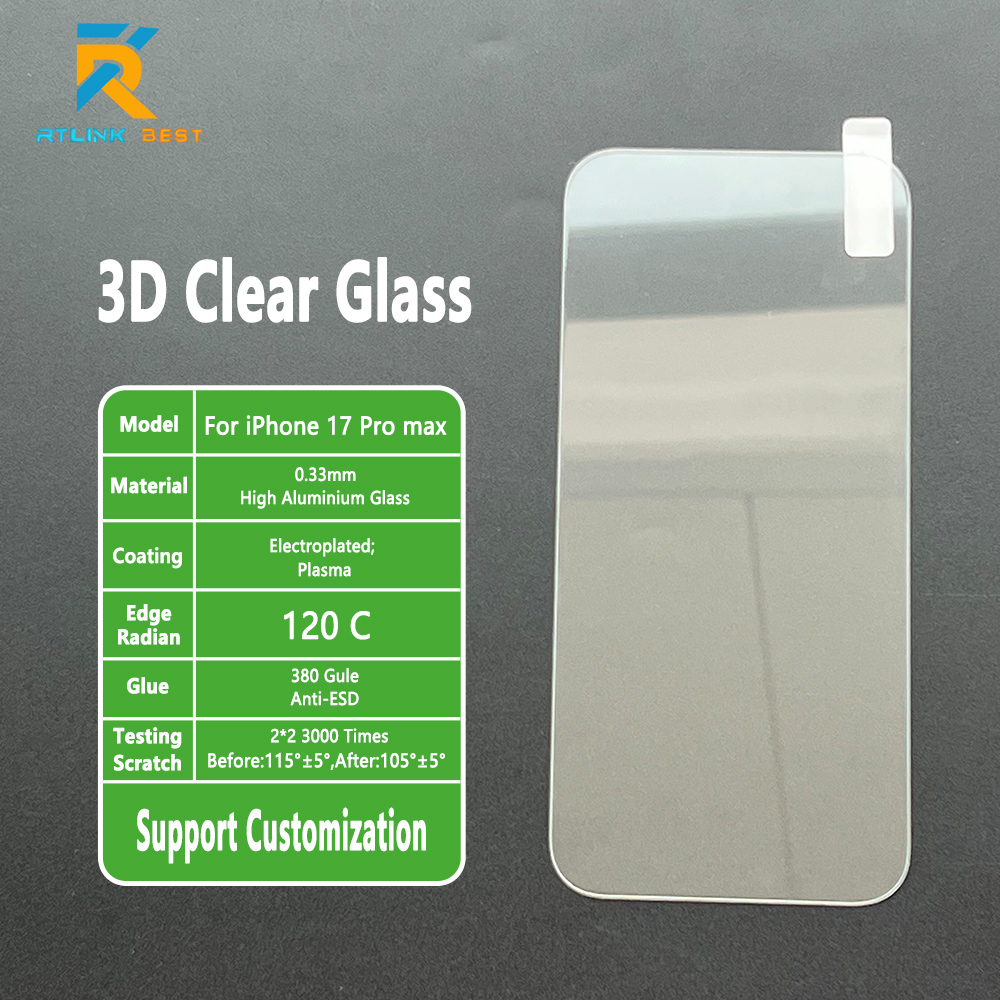
If you’ve noticed that tempered glass screen protectors for the iPhone 15, 16, 17 and 18 series carry a slightly higher price tag than the older iPhone 14 version, you’re not alone. This price difference is not an arbitrary new-model markup — it comes from two targeted structural upgrades that directly improve fit, long-term durability and daily user experience: a heavy-duty adhesive reformulation and a full 3D curved edge redesign.
Below we break down exactly what changed, and why the upgrade delivers more value for your money.
Upgrade 1: Adhesive Layer Upgraded from 120g to 380g — Stronger Bond, Zero Edge Lifting
For the iPhone 14 generation, standard screen protectors used a lightweight 120g AB adhesive layer. This formula was sufficient for flatter screen designs, but had clear limitations on curved displays: weaker long-term edge adhesion, higher risk of peeling, and more trapped bubbles during installation.
For the iPhone 15 through 18 series, we have fully upgraded the adhesive to a premium 380g high-viscosity AB glue with anti-ESD performance. This thicker, higher-tack adhesive raises material and processing costs, but brings major real-world benefits:
-
Rock-solid edge adhesion: The heavy-duty glue forms a complete, tight bond even along curved screen borders, drastically reducing edge lifting and dust intrusion over months of daily use.
-
Bubble-free, forgiving installation: The high-quality adhesive flows evenly during application, minimizing air bubbles and making DIY alignment much more forgiving.
-
Extra impact buffer: The thicker adhesive layer acts as an additional shock-absorbing cushion, dispersing drop impact and lowering the risk of screen cracking — matching our 64g/60cm drop ball test standard.
-
Anti-static dust resistance: The built-in anti-ESD formula reduces static buildup during installation, so far less dust sticks to the glue layer — a common frustration with cheaper, lighter adhesives.
Upgrade 2: Edge Design Upgraded from 2.5D to 3D Large Arc — Seamless Fit & Silky Feel
The iPhone 14 screen protector used a standard 2.5D small rounded edge. This design only adds a narrow bevel to the glass edge, leaving a noticeable step between the protector and the phone’s curved bezel. It can feel sharp on edge swipes, trap dust along the border, and create an unsightly “white halo” effect on curved displays.
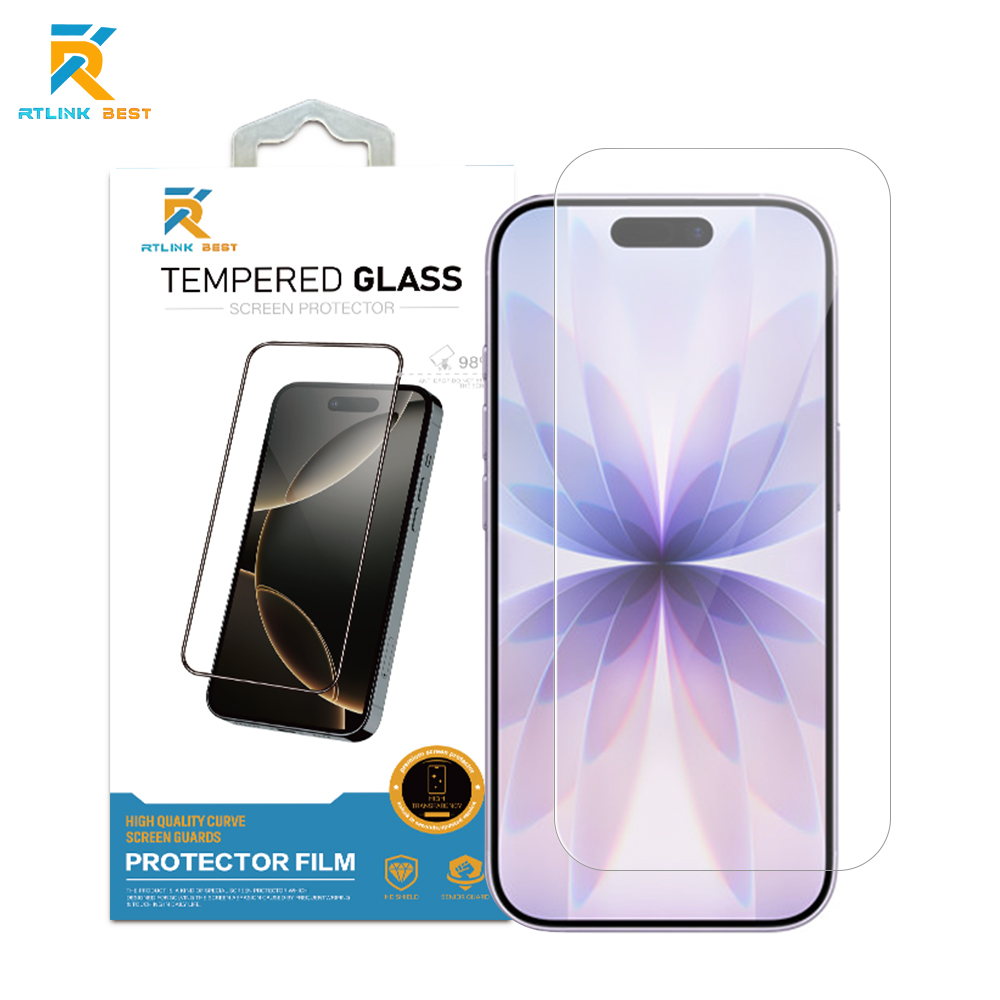
For the iPhone 15–18 series, we shifted to a true 3D large curved edge design. The glass edge is precision-polished into a smooth, continuous arc that perfectly follows the natural curve of the newer iPhone displays.
-
True edge-to-edge fit, no white halo: The 3D arc sits completely flush with the phone’s screen bezel, with no gaps, no raised lip and no ugly white border — for a clean, naked-screen look.
-
Smooth, natural swipe feel: The fully rounded edge eliminates sharp contact points. Every swipe from edge to edge feels silky and uninterrupted, just like using the bare phone screen.
-
Less dust and dirt buildup: The flush fit leaves no groove for pocket lint, dust or debris to collect along the edges, keeping your screen cleaner for longer.
-
Case-friendly compatibility: The 3D curved edge is engineered to work with most phone cases without lifting, solving the common “case push-up” issue that plagues 2.5D protectors.
Same Premium Glass Base, Better Overall Value
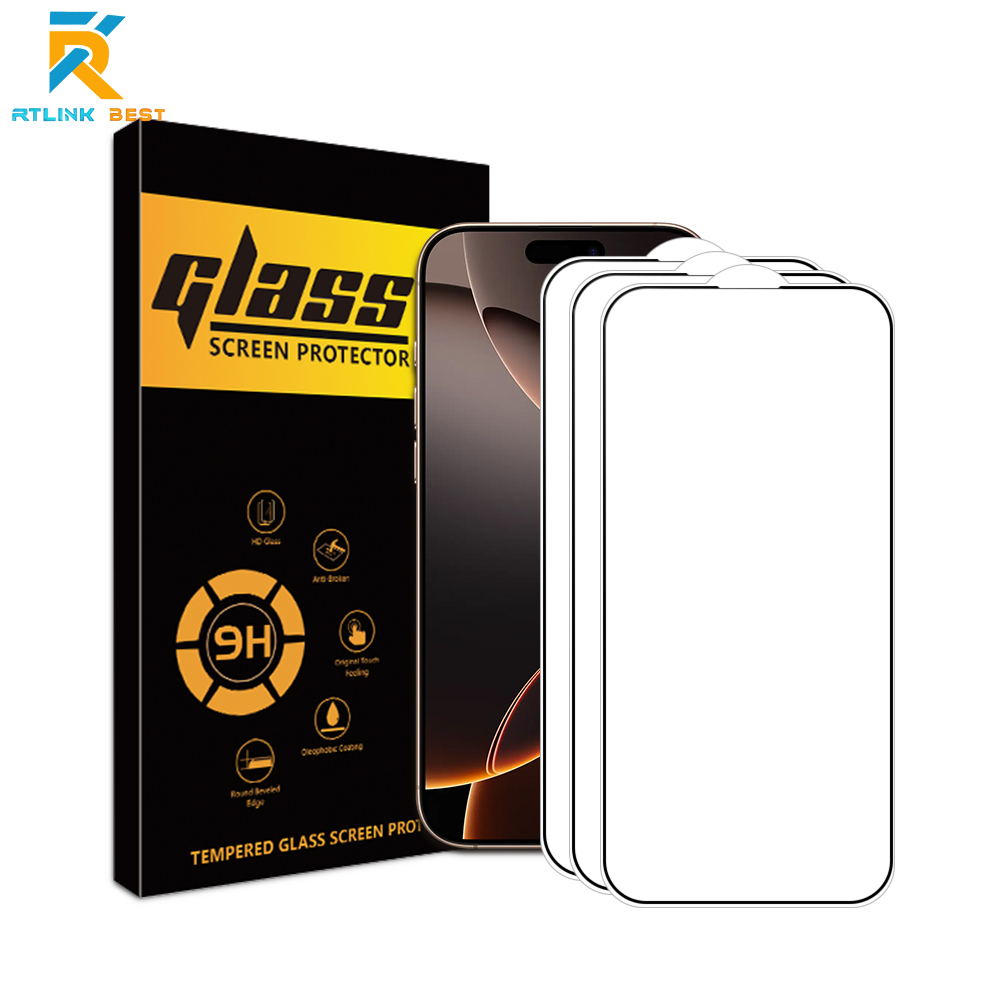
All of our core quality standards remain unchanged: 0.33mm ultra-thin high aluminum silicon glass, 9H surface hardness, plasma electroplated oleophobic coating and strict scratch and drop testing.
What you’re paying for is a screen protector that is actually built to match the more advanced curved design of the iPhone 15–18 series. The 380g glue + 3D arc combination means fewer replacements, fewer installation failures, and a much more premium daily feel — a noticeable upgrade over the older 2.5D / 120g design that simply cannot deliver the same level of fit and durability on newer iPhones.
In short: the higher price reflects a real upgrade in materials and manufacturing, not just a new-model premium.